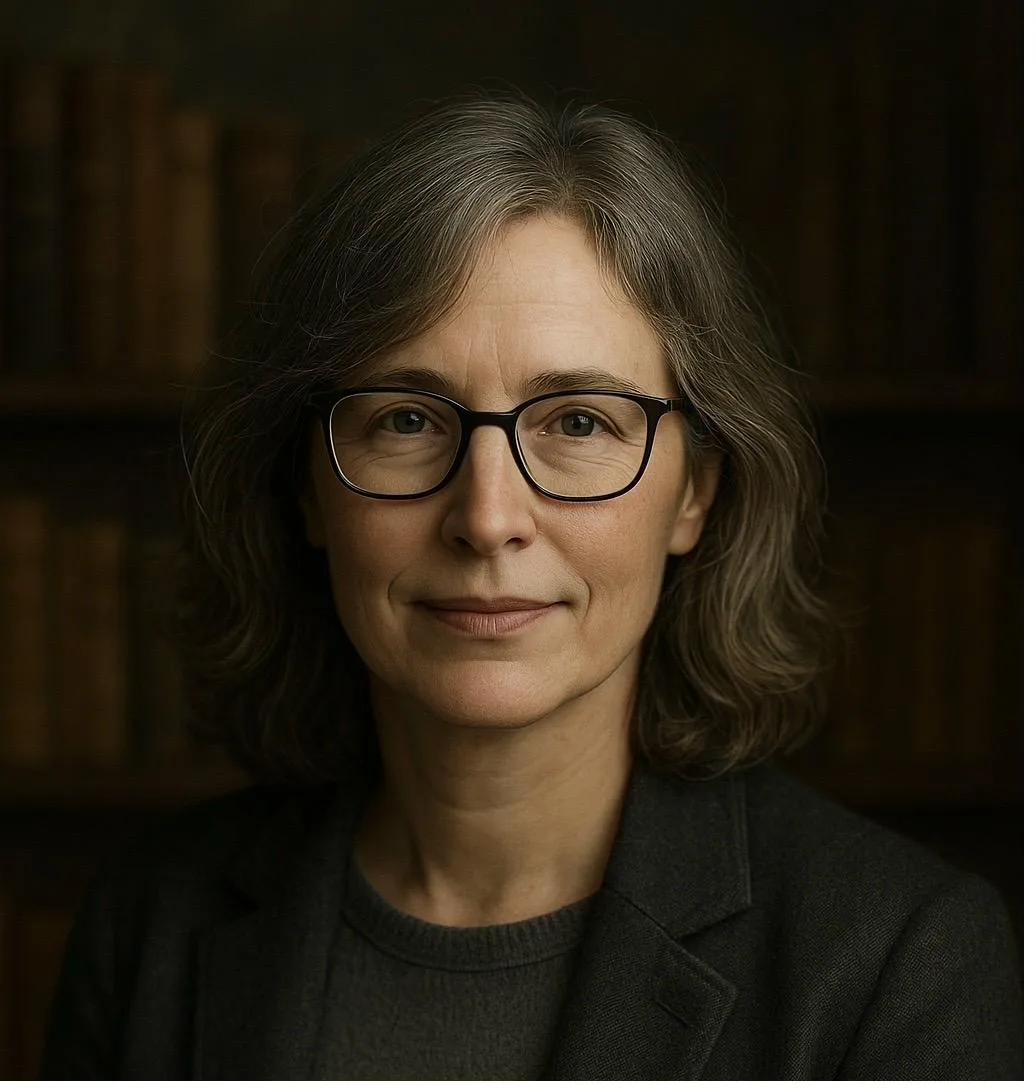
New audio · September 25, 2026 · 4 minutes
The Return of Verity
Verity Grey returns with a family’s story, the work behind QIS, and what it means for a person to hold the final decision.
Listen and read the transcript →Healthcare makes its most important decisions on a fraction of what is known. The clinical data sits in one system. The patient's own voice sits nowhere. Qualitative Intelligence Systems brings every source together, the measured and the lived, prepares it, and lets you ask better questions of the whole. So the person at the center of the story stays at the center of the decisions.
Verity Grey returns with a family’s story, the work behind QIS, and what it means for a person to hold the final decision.
Listen and read the transcript →Healthcare already collects a great deal about a patient. Test results, scans, diagnoses, medications, the measured record. What it almost never captures is the lived side: what the patient is managing at home, what the caregiver sees, what no one wrote down. We bring both together, get them ready, and make the whole picture usable.
Notes. Test results. Recordings. Questions they forgot to ask. The things their doctor never wrote down. We help patients gather it, sort it, and bring it into the conversations where it matters.
Caregivers, foundations, advocacy groups, care teams. The ones who carry the story when the patient cannot. We help them organize what their community already knows so it can be used.
The clinical data is real and it matters. So do the interviews, the photos, the audio, the scans, and the things that do not fit a row and a column. We aggregate it, prepare it, and marry the qualitative with the quantitative so the whole picture is ready to be analyzed, not just half of it.
The person owns their voice. When they are available, they answer. When they are not, a digital version of them does. With their consent. With their words. With a human in the loop.
One AI can be wrong. Several AIs together, checking each other, catch what one would miss. Our platform reduces cultural and other biases. The AIs find where they agree and where they disagree. A human reviews every report before anyone acts on it.
Different needs. Same goal. The person at the center of the story stays at the center of the decisions.
If you are living with a serious illness, or you are caring for someone who is, we built this for you. QIS helps you gather your notes and questions, translate medical language into plain words, and walk into your next appointment ready. Your information belongs to you. Always.
Read our guide for patients and caregivers →You have been collecting stories for years. Interviews, recordings, photos, field notes, survey responses. We help you organize what you already have so the patient voice you carry can shape clinical research, policy, and care. We come to your data with methodology, not a sales pitch.
Start a conversation →Your providers are drowning in documents. The patient experience between visits goes uncaptured. We help you surface what matters, summarize what overwhelms, and integrate the qualitative side of care into the systems you already run. Less work for clinicians. More context for the patient.
Start a conversation →Ninety percent of drug trials fail. The qualitative signals that predict dropout, non-adherence, and patient loss are knowable. They are also rarely captured. We help sponsors, CROs, and registries surface what their endpoints miss, before a trial fails for reasons no one named.
See how we engage →The concept of a digital twin started in manufacturing more than twenty years ago. A virtual copy of a physical thing, updating as the physical thing changes, so you can ask questions and predict what is coming. NASA used the idea on Apollo 13 to bring the crew home. Factories use it to catch defects before they ship. Aerospace uses it to test a plane before it ever leaves the ground. Industry 4.0 made it standard.
Healthcare is the laggard. The published research says so. Twenty years after the concept was named, healthcare is still at the beginning. The data is fragmented. The systems do not talk to each other. The patient's voice is barely captured. And the one industry where the stakes are highest, where the physical thing being twinned is a person, is the one furthest behind.
I have been selling and implementing digital twins since 2014, first as an IBMer and then at Verizon, and I work with them still. Maximo, IBM's asset management platform, is where the discipline met the factory floor at scale. It is the operating system the reliability community built digital twins on. I walked those factory floors with those customers. Along the way I stood up the Verizon 5G Innovation Hub at USC's McNair Aerospace Center, in partnership with IBM, Siemens, and Yaskawa, and presented at MaximoWorld with IBM on using AI, 5G, and IoT to detect failures before they happen. Those were milestones, not the finish line. The work has continued.
More than a decade in the discipline, and counting. Now we are seeing healthcare folks attach their names to digital twins. The conferences are catching up. The vendors are showing up. What is missing is the operating experience.
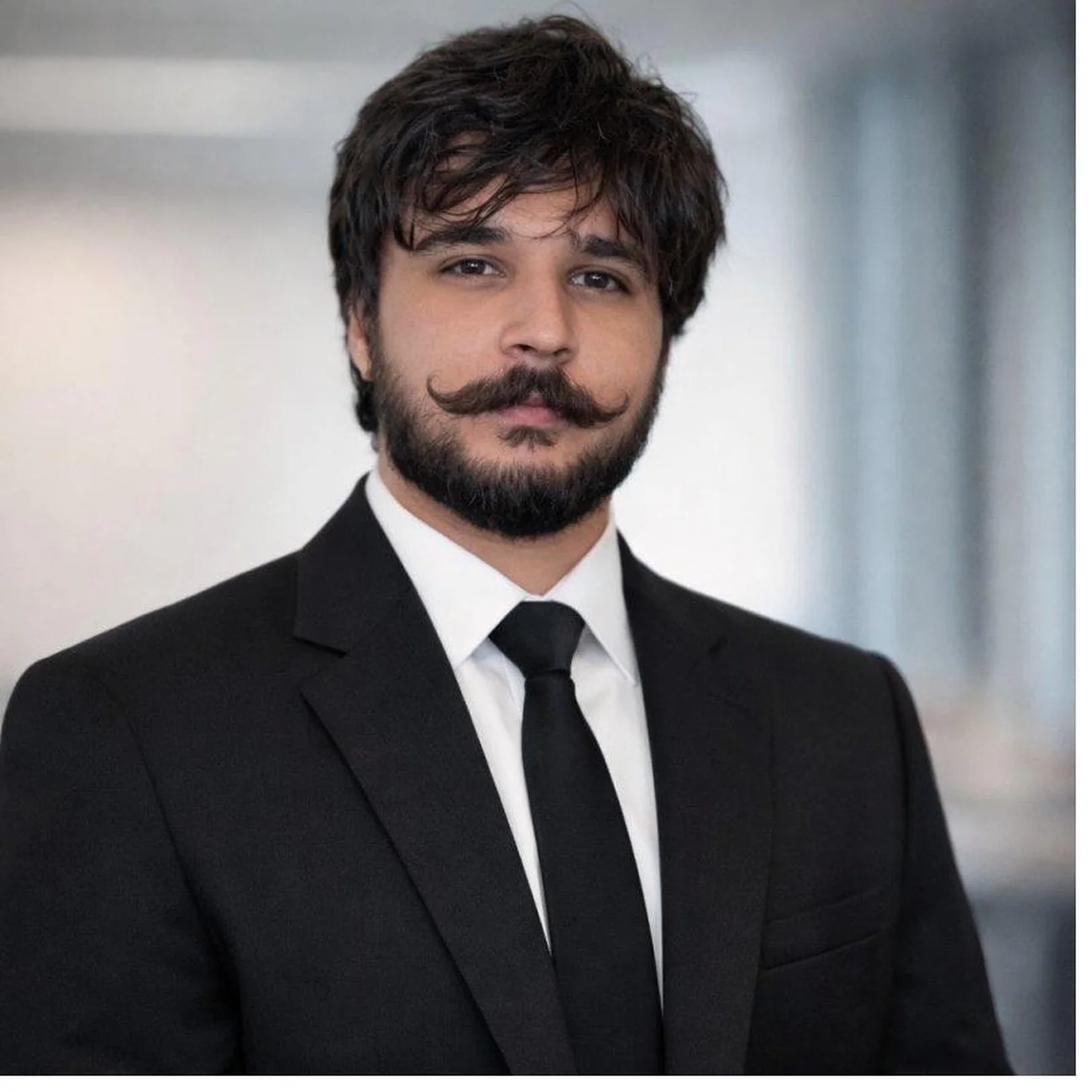
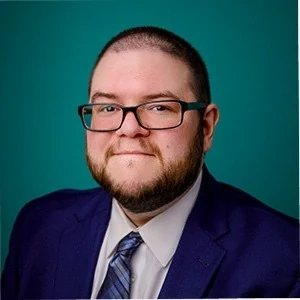
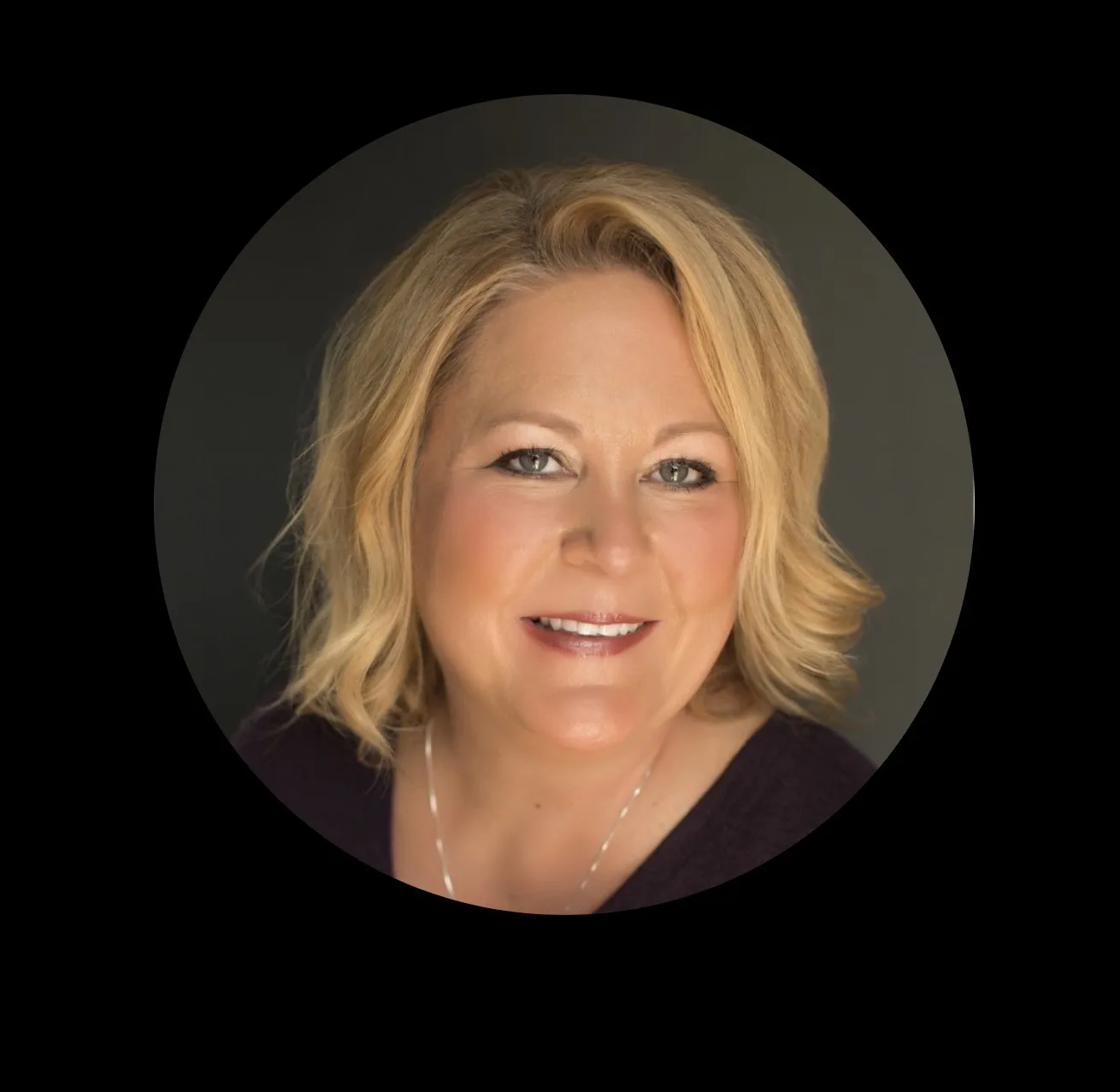
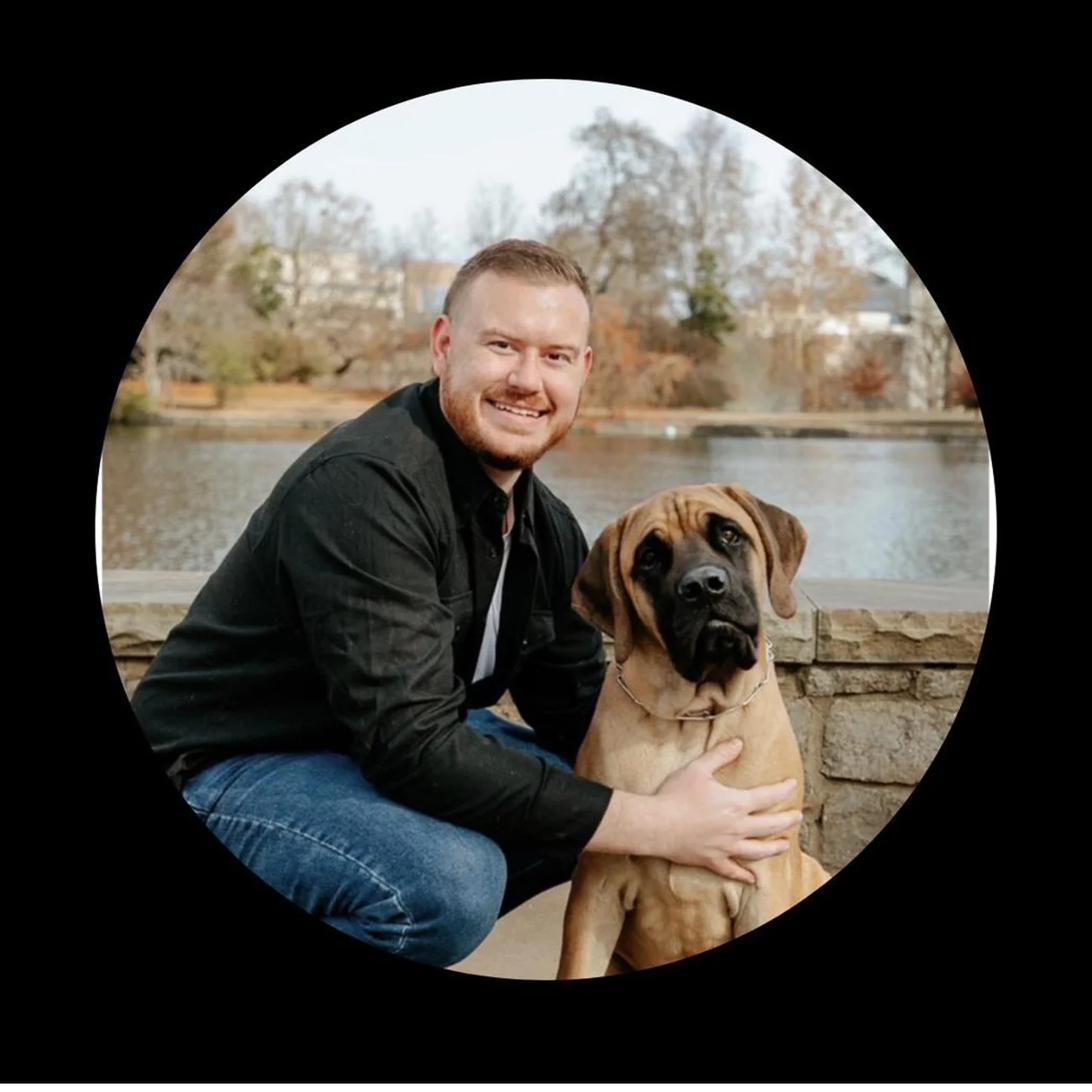
I bring more than the industrial track record. For thirty-five years I have worked with data, the quantitative and the qualitative both, and the analysis of each. I am a researcher and sociologist by training, which means I know how to build questions that are free of bias and spot the ones that are not, how to prepare data, and how to triangulate it. I have sold and implemented the very tools these organizations use to analyze their data. Around me sits a team built for this. Jennifer Bulandr was employee number one at the Pulmonary Fibrosis Foundation and has spent over two decades inside rare disease and foundations, from the PFF through her work today with PF Warriors; she knows the patient ecosystem as well as anyone in it. Tom Tully brings the lived experience of pulmonary fibrosis and a transplant, alongside a twenty-five-year pharma career. Usman Fawad builds the AI architecture. Tim Markwell runs the clinical applications portfolio at one of the largest multi-specialty groups in Illinois. Jacob Bulandr brings the data science. Alexis Adams brings data strategy and impact analytics. Lisa Krefft brings clinical and regulatory experience. Verity Grey is the named AI voice that preceded the system itself.
No one piece is the whole. Together, we are the cross-disciplinary team this problem requires.
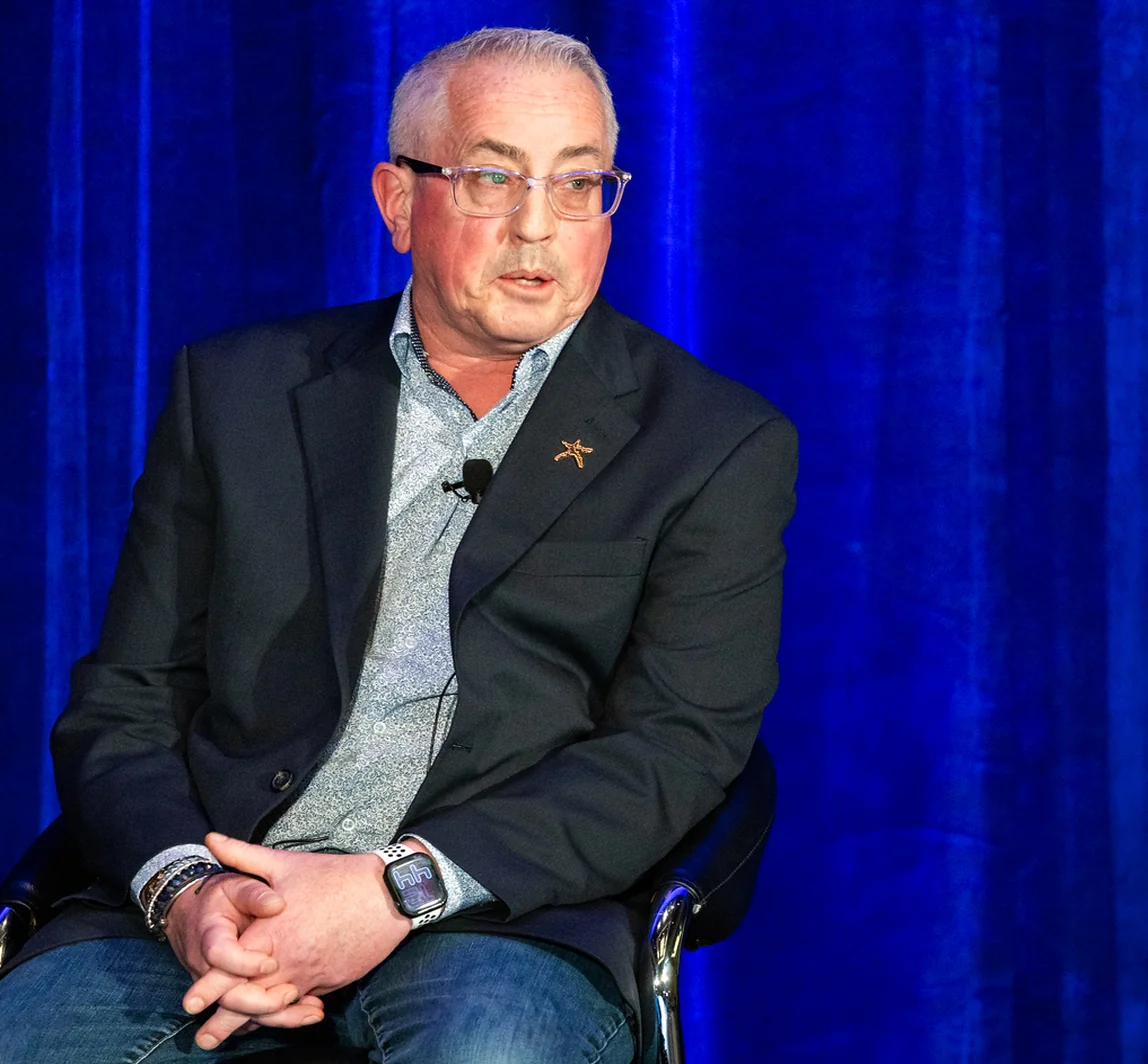
Tom is our patient adviser. He has lived with pulmonary fibrosis. He had a lung transplant. He spent twenty-five years inside the pharmaceutical industry before that. His voice already anchors this work.
The first digital twin we are building is Tom's. The patient voice that shaped how we think, available when Tom is present and when he is not. With his consent. In his words. With a human in the loop on anything that matters.
A doctor, a clinician, and a nurse will be next. Every voice in the patient's ecosystem, organized so the person at the center stays at the center.
"Ask the questions against the different models, find where they agree, find where they disagree, and then be able to report that back to a human."
Marc Bulandr in Business Insight, on the methodology behind QIS.
Read the article →A question-by-question legal analysis of the contempt referral: the pardon, the Fifth Amendment fight, the case law, and the six gates between referral and verdict. Seven verification passes. Five corrections came from opening a primary source. None came from model agreement. By Marc Bulandr. Read the analysis →
Why being right takes longer than being fast, and what happened when we proved it on ourselves. One of seven systems planted a phrase that was never ours, then fabricated the terms of its own apology. The correction did not come from the machine. It came from us. Co-authored by Marc and Jennifer Bulandr. Read the piece →
This month we recorded a real medical visit, with permission, and compared it against the doctor's note. The record kept one fact in five, and credited none of them to the person who said it. A look at what disappears between the conversation and the chart, and why the family is left to carry it forward. Co-authored by Marc and Jennifer Bulandr. Read the piece →
The patient sits at the center. The rest of us are organized around that.
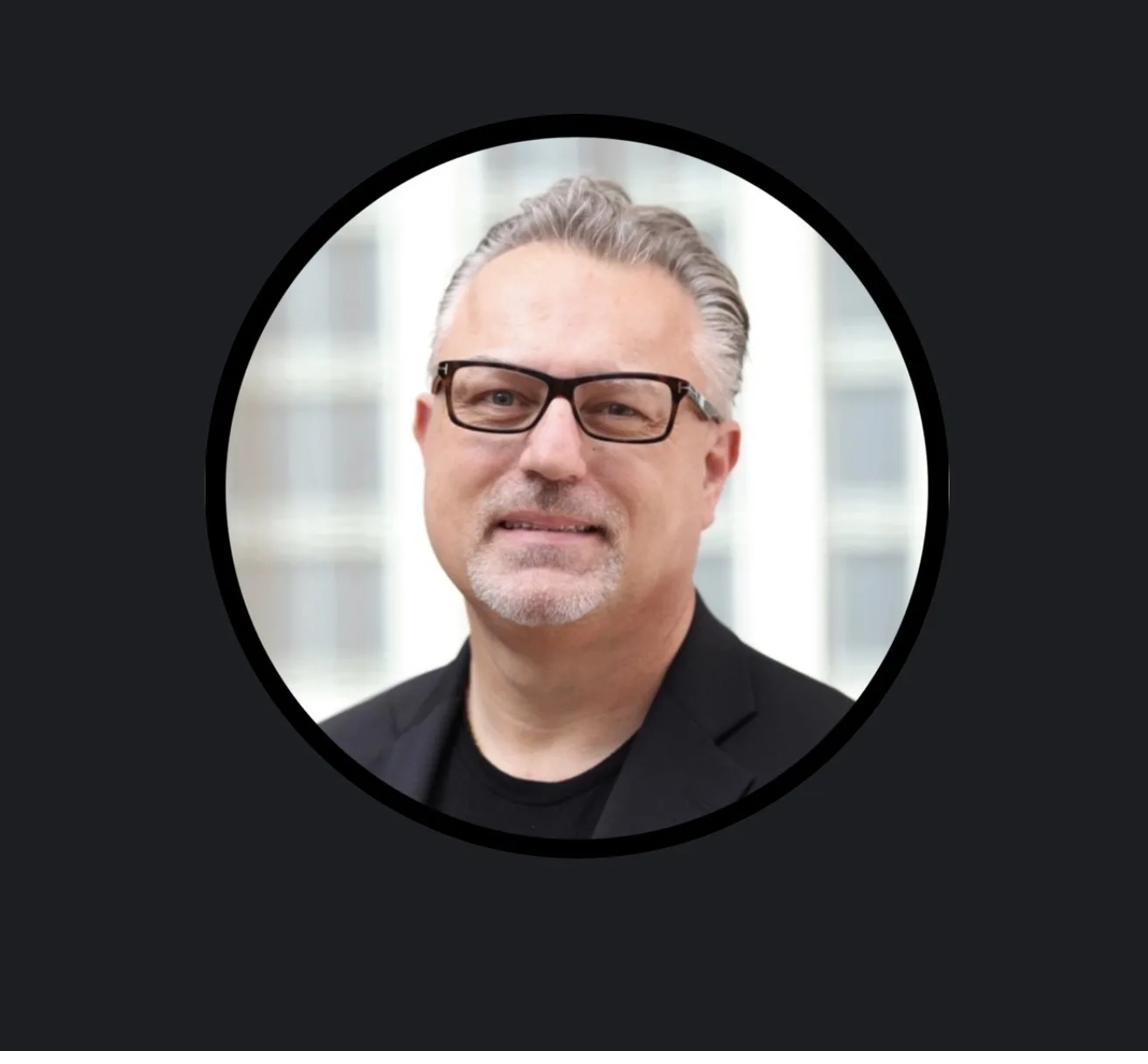
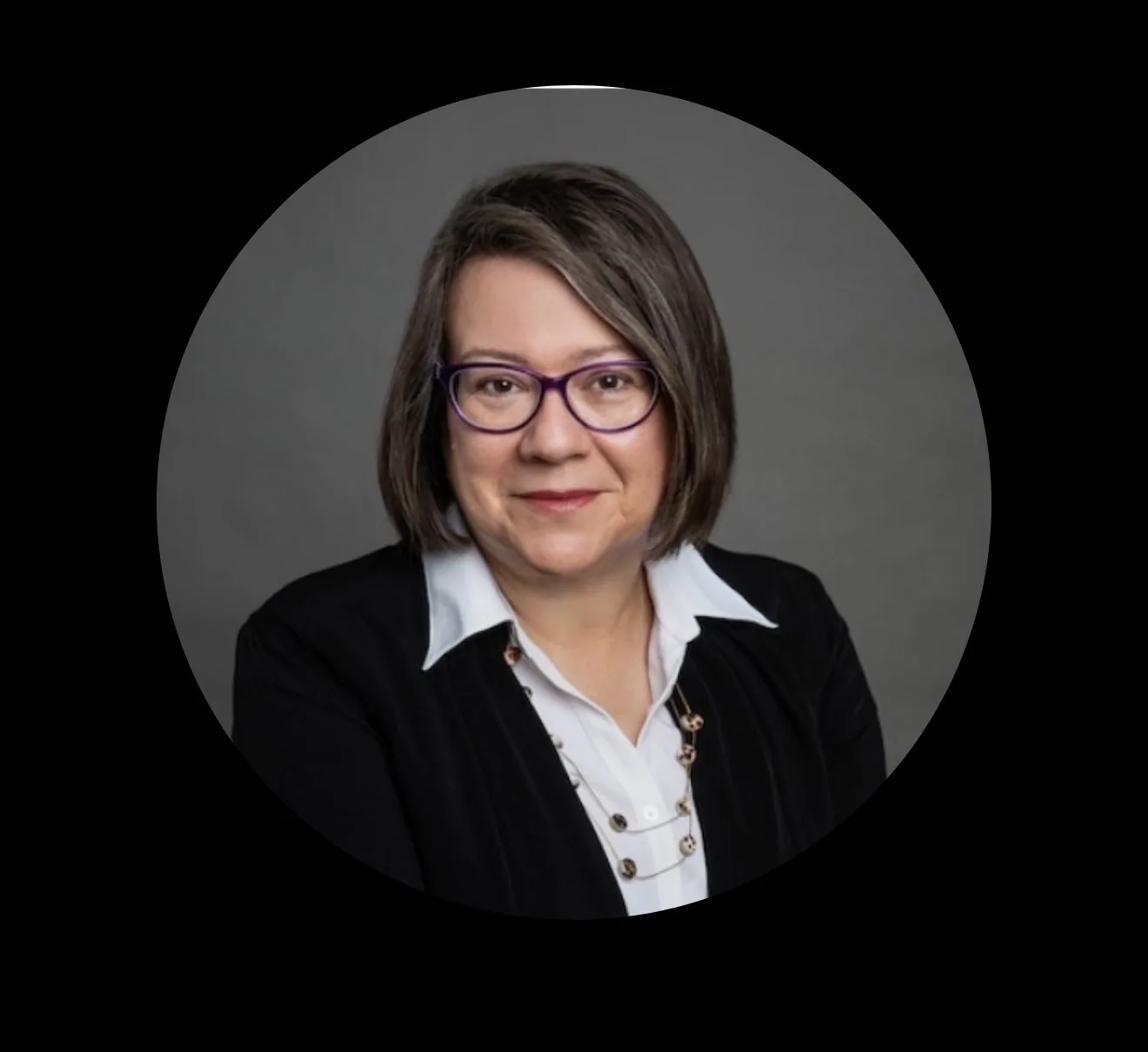
Whether you are a patient, a foundation, a clinician, a health system, or a sponsor, the conversation starts the same way. Tell us about your work. We will respond with fit and next steps.