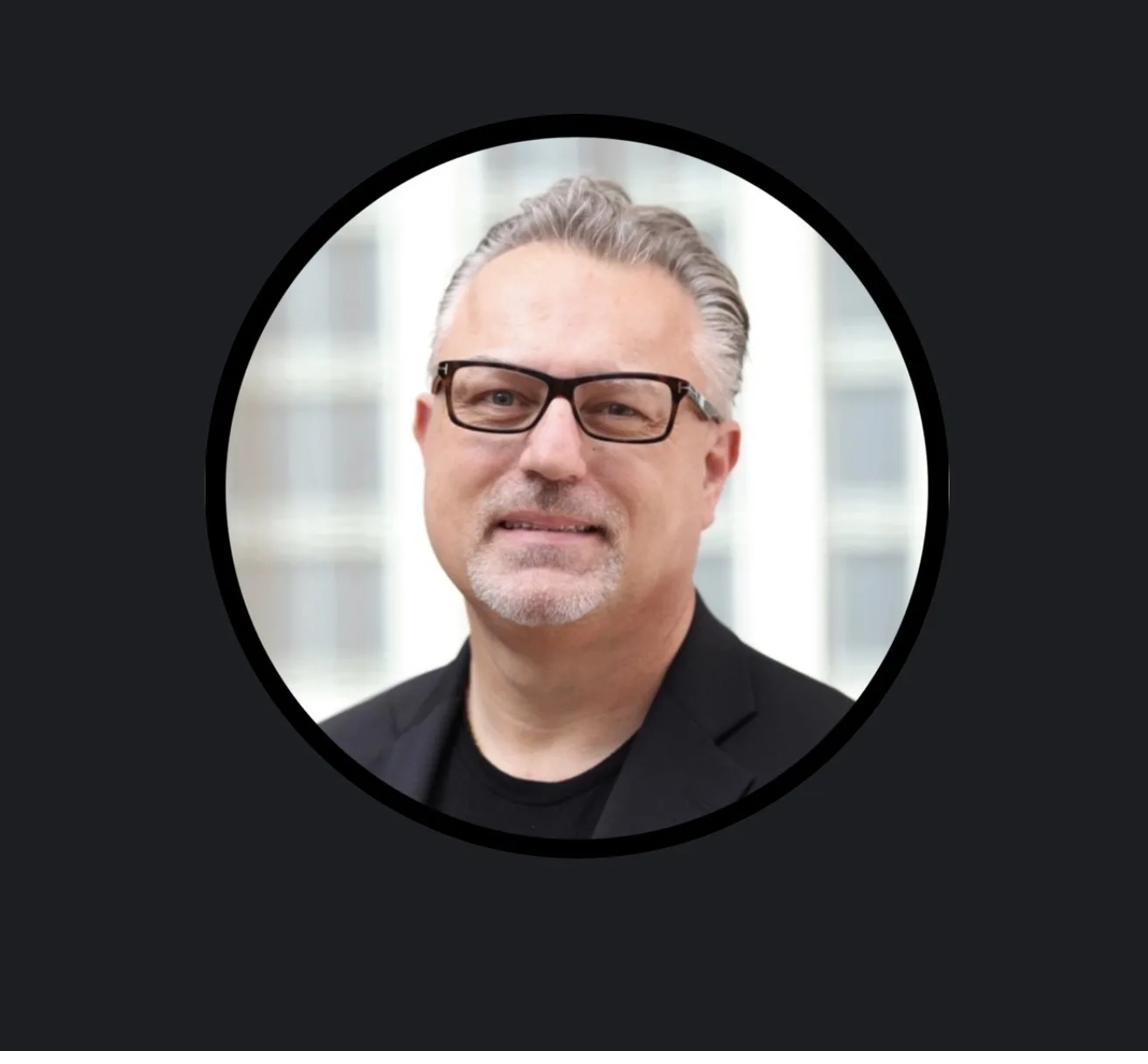
I learned that in 1992, in a patrol car, watching officers write citations to meet quotas. I have spent thirty-four years watching different industries make the same mistake. QIS is the architecture I built to stop it.
I am a field sociologist disguised as an executive. My graduate work was ethnographic. I sat in patrol cars. I watched what happened between an officer and a citizen. I documented how quotas and time pressure distorted the numbers the department reported upward. The thesis asked one question. What happens to human truth when it enters a system?
The answer turned out to be the same answer in every market I have worked in since. I sold the Statistical Package for the Social Sciences before IBM acquired it. I valued foreclosed homes during the 2008 collapse while banks ran automated valuation models that could not see the neighborhood. I commercialized Watson. I built the Connected Officer ecosystem at IBM with Motorola Solutions. I ran ecosystem strategy at Verizon, where my team named the Context Gaps in enterprise digital transformation. Every role, the same pattern. The data says one thing. The humans inside the data are saying something else. The organizations that close that gap survive. The ones that do not, break.
The institutions where I did that work measure themselves by survival, not quarterly results. Cleveland Clinic. Advocate Health. Trinity Health. AdventHealth. OSF. University of Chicago Health. Chase. Wells Fargo. US Bank. John Deere. Caterpillar. The State of Illinois. The State of Wisconsin. The City of Chicago. Some of the largest health systems, financial institutions, public sector agencies, and industrial companies in the country. I mention them because QIS is not a new entrant to their world. I have been inside their decisions for three decades.
QIS is the architecture the thesis always needed. It is the system that treats qualitative patient testimony with the same seriousness as any endpoint. It is built for the rooms I have spent my career sitting in.
Ethnographic field research on police patrol decision-making. Master's thesis: Police-Citizen Encounters During Routine Traffic Stops. First naming of the contextual bias framework that now informs the QIS architecture.
SPSS, Wall Data, Aventail, Internet Security Systems, Cognos. Early commercialization of the analytics, security, and data stacks that three IBM acquisitions later consolidated under one roof.
Distressed asset valuation during and after the 2008 financial crisis. The second proof of the thesis. Blind metrics from automated valuation models could not see the neighborhoods they were pricing.
Solutionary and NTT. Managed security services across the Midwest. Top-ten-in-company-history deals closed.
IBM. Commercialized the early AI and analytics stacks (SPSS, Watson) that industrialized predictive analytics for the global enterprise. Deployed the Connected Officer ecosystem with Motorola Solutions. Hundred Percent Club. Leadership Academy graduate.
Verizon. Ecosystem strategy across 5G, MEC, and IoT. The team named the Context Gaps where enterprise models fail to capture edge-case reality. Over $100M in joint incremental pipeline with the major systems integrators.
Sabbatical. Harley across America. Writing. Music. Mentoring. Recovering the voice the next chapter required.
Founded Marc Bulandr Media + AI. Began the work on Contextual Memory AI with Verity Grey. Filed the patent in December.
QIS founded. Qualividence launched as the public platform. ATS demonstration scheduled. Federal Register docket open. The gap finally has a system built to close it.
Pay It Forward is not a principle I adopted. It is how I was raised. Two bodies of work make that visible.
Twenty-three years on the Illinois State University Foundation Board. The endowment grew from $35M to $175M during that tenure. The work was stewardship. Aligning donor intent with institutional mission. Making sure the numbers served the people the institution was built for.
Board of Directors, Give A Note Foundation. Fundraising Chair. National nonprofit expanding equitable access to music education for students in underserved communities. Music shaped my story. Every kid deserves the same access to what it can do for a life. Give A Note was honored as a 2025 Anthem Awards winner in the nonprofit category.
Inducted into the Illinois State University College of Arts and Sciences Hall of Fame, inaugural class 2003.
Acknowledged in Women of Color in Tech by Susanne Tedrick for mentorship and advocacy for women in technology.
QIS thesis validated on the record at FDA Rare Disease Innovation Hub / Duke-Margolis RISE Together Workshop by NIH, FDA, and patient foundation leaders.
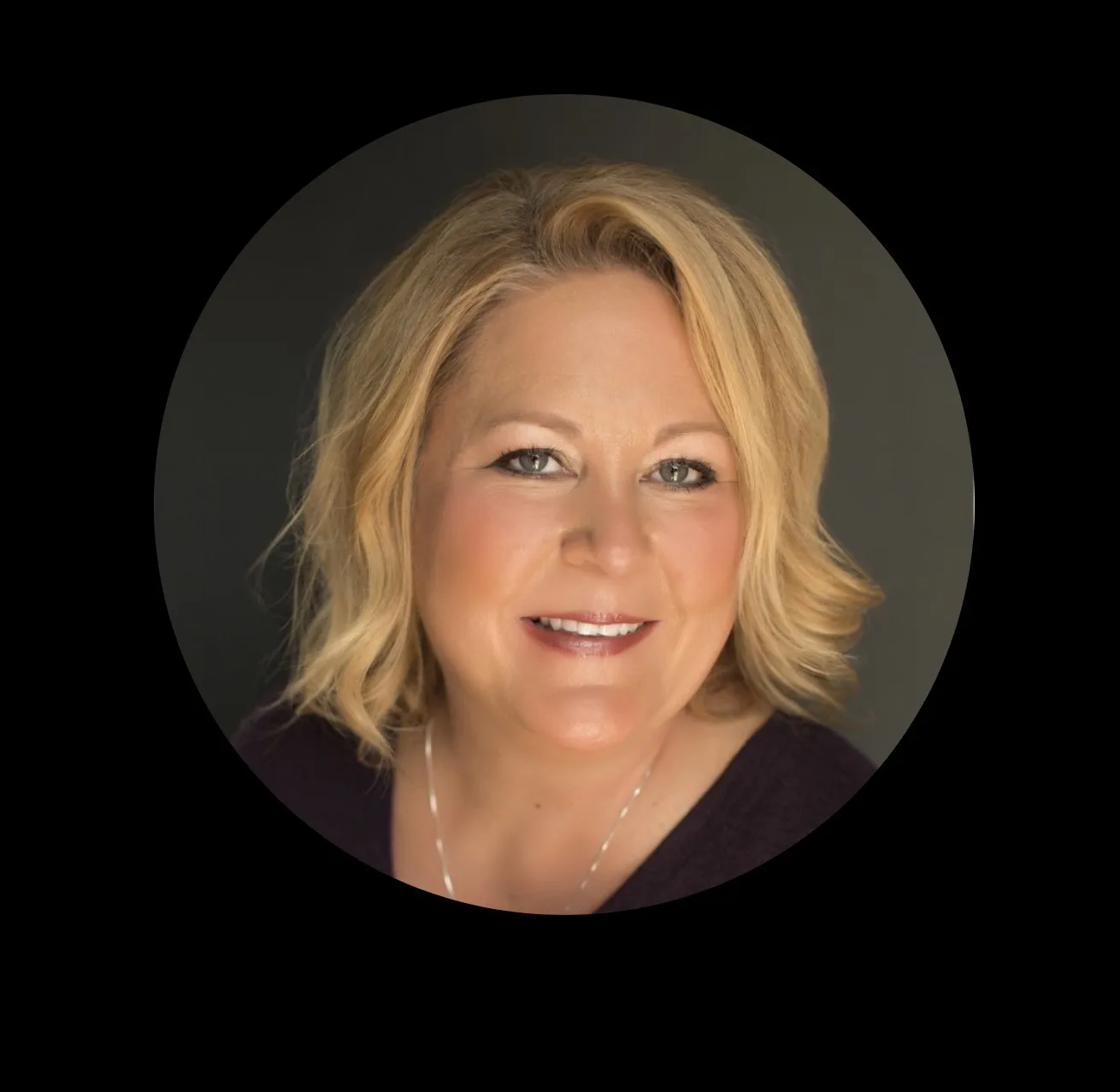
Jennifer Bulandr lost her father John Lukasik to pulmonary fibrosis in 2002. Nine weeks from diagnosis to death. The gap QIS closes is the gap that killed him. She has spent the twenty-three years since building inside the community that lost him.
It melds qualitative intelligence and evidence. The name carries the work: qualitative signals raised to the standard of evidence, and evidence that honors the qualitative sources it came from.
The why behind the what.
Jennifer's father John Lukasik was diagnosed with pulmonary fibrosis in 2002. He was 58. He died nine weeks later. The diagnosis did not come in time to change anything. The gap QIS closes is the gap that killed her father. She has spent the twenty-three years since inside the rare disease community, doing the work no algorithm ever did for John.
John died never speaking to another patient. Jennifer's mother never spoke to another spouse carrying this disease. The family went through it alone. Jennifer refused to let other families repeat that. In 2003 she created the first online IPF and PF support groups on Yahoo Groups. She built the groups for the hours when patients on steroid-induced insomnia were awake at three in the morning with no one to ask. She was on the phone with prestigious pulmonologists in the field during those early calls, typing their answers into the group in real time. She has chosen to leave those doctors unnamed because many of them helped during those years, and naming one risks erasing the others. She was the bridge between the patient and the specialist, done by hand, at three in the morning, for years. QIS is the system that does by architecture what Jennifer did by hand.
Pulmonary fibrosis is not abstract family history for Jennifer. It is not just her father. Her grandfather had it. Her great-uncle had it. She is the only child of an only child, and what she carries forward is her three children. The risk of familial pulmonary fibrosis is not a fear she keeps in the background. It is the driving factor behind why she has worked across rare disease organizations for twenty-three years without stopping.
Four years after John died, Jennifer co-founded Barrington Area Special Voices, a nonprofit for children with special needs in her local community. She wrote the policies. She secured the grants. She led construction on a new building. She ran it for nearly five years. She has been a founder in her own right for twenty years.
Her work with the Pulmonary Fibrosis Foundation began the year John died. She started as a volunteer in 2003. Became a board member during Mike Rosenzweig's tenure as co-founder. Then became employee number one on staff, starting part-time from home because she was raising a special needs child at the time. She stayed at PFF for fourteen years, exiting in July 2017. Director of Community Relations first. Then Director of Fundraising and Community Engagement. She ran a five-year program that grossed $1.8M with 100 percent donor retention. Zero attrition across five years. That number is close to unheard of in the nonprofit development world.
During those PFF years she built programs that are still active today. Profiles of PF, the sponsored patient and caregiver story program. The lighting up of landmarks for PF awareness. The Third Party Event Guide, updated over the years but fundamentally her work. She also brokered the connection to Julie Halston that became Broadway Belts for PFF. Julie Halston had no connection to the foundation before Jennifer made the bridge. Under Julie's hosting, Broadway Belts has since raised millions for PFF. The March 2026 event alone raised more than $500,000.
Since PFF, she has continued working inside rare disease and mission-driven organizations. Often two at once. From 2017 to 2019 she did the communications, patient stories, and interview work for patientMpower in Dublin, Ireland, a company that started in IPF and expanded into cystic fibrosis, lung transplant, atrial fibrillation, and maternity. She began that role the same year she started at Josephinum Academy of the Sacred Heart, where she served as Director of Communications for nearly five years. Let It Be Us followed, where she launched the inaugural AI-driven fundraising campaign and beat ROI targets by 20 percent. Then Foundation for Sarcoidosis Research, where she hit 125 percent of the 2024 Year-End Campaign goal in her first six months. She has not been adjacent to rare disease work. She has been running it.
Today she holds two active rare disease leadership roles concurrently. Director of Development and Communications at PF Warriors since early 2025. Director of Programs and Engagement at Neurofibromatosis Midwest, where she was just promoted into the role. Twenty-three years in, and she is still building inside the community that lost her father.
She is not the strategic adviser who keeps QIS honest about patients. She is the reason QIS was built the way it was built. The interview instrument carries her methodology. The Margaret composite case is constructed from her years of direct conversation with patients and their families. Every qualitative instinct inside the system can be traced back to her, and through her, to John.
John Lukasik, Jennifer's father, diagnosed with pulmonary fibrosis at 58. Nine weeks later, he died. The formal diagnosis came too late to change anything.
Creates the first online IPF and PF support groups on Yahoo Groups. The bridge function between patients and specialists, done by hand, at three in the morning.
Pulmonary Fibrosis Foundation. Fourteen years, ending July 2017. Began as a volunteer in 2003 while John's death was still recent. Became a board member during Mike Rosenzweig's tenure as co-founder. Became employee number one on staff, starting part-time from home while raising a special needs child. Director of Community Relations, then Director of Fundraising and Community Engagement. $1.8M program, five years, 100% donor retention. Built Profiles of PF, the lighting up of landmarks, the Third Party Event Guide. Brokered the Julie Halston bridge that became Broadway Belts for PFF.
Co-founded Barrington Area Special Voices. Children with special needs. Wrote the policies, secured the grants, led construction on a new building. Ran it for nearly five years. Featured in the Chicago Tribune, Daily Herald, and WIND. Concurrent with her PFF work.
patientMpower, Dublin, Ireland. Communications, patient stories, interviews. A company that started in IPF and expanded into cystic fibrosis, lung transplant, atrial fibrillation, and maternity. The return to direct patient community work after the PFF exit.
Josephinum Academy of the Sacred Heart. Director of Communications for nearly five years. Cross-functional communications across twelve departments. Double-digit improvement in relationship quality, donor revenue, satisfaction, and readership.
Let It Be Us. Director of Communication and Development. Launched the inaugural AI-driven year-end fundraising campaign. Beat ROI targets by 20 percent. Built the KPI frameworks that raised year-over-year fundraising by 18 percent.
Foundation for Sarcoidosis Research. Development Manager. Hit 125% of the 2024 Year-End Campaign goal in her first six months. Grew NYC Marathon fundraising revenue by 22%.
PF Warriors. Director of Development and Communications. Active. The return to the pulmonary fibrosis community after the fourteen-year PFF tenure.
Neurofibromatosis Midwest. Director of Care and Outreach. Promoted this month to Director of Programs and Engagement. Active. Building patient engagement systems, clinic referral pipelines, and program measurement tools from scratch.
Founding Adviser to QIS. The methodology she built over twenty-three years is now the instrument QIS uses in the field.
When John was finally diagnosed, the pulmonary fibrosis had already taken most of his lung function. Nine weeks is not a care window. It is a goodbye window. Every patient and family Jennifer has worked with since 2002 has taught her the same thing in a different voice. The signals were always there. The system did not know how to hold them. QIS is the system that does.
Jennifer's 2003 Yahoo Groups work was the first time anyone had built a direct connection between IPF patients at three in the morning and the specialists who understood their disease. She did it with a phone in one hand and a keyboard in the other. For years. QIS systematizes what Jennifer has been doing manually since 2003.
Years inside the rare disease community, operationally, since John's death in 2002.
Years at the Pulmonary Fibrosis Foundation. Volunteer to board member to employee number one.
Five-year program at PFF. 100 percent donor retention. Zero attrition.
Rare disease organizations she has worked inside since 2003. PFF, patientMpower, Foundation for Sarcoidosis Research, PF Warriors, Neurofibromatosis Midwest.
Active concurrent rare disease leadership roles today. PF Warriors Director of Development and Communications. NF Midwest Director of Programs and Engagement.
The QIS baseline interview instrument and the self-administered survey were built from Jennifer's methodology. The Margaret composite case is constructed from her years of direct conversation with patients and their families. Every qualitative instinct inside the system is a systematized version of what Jennifer has been doing by hand since 2003.
She is irreplaceable to this work. John is the reason she built it.
Applied sociologist. 34 years of enterprise technology, analytics, and health systems experience. The architect of the Recursive Triangulation Logic Loop and the Verity system. This work started in 1992. It started with a thesis, a police department, and a question that nobody in the data world wanted to ask: why.
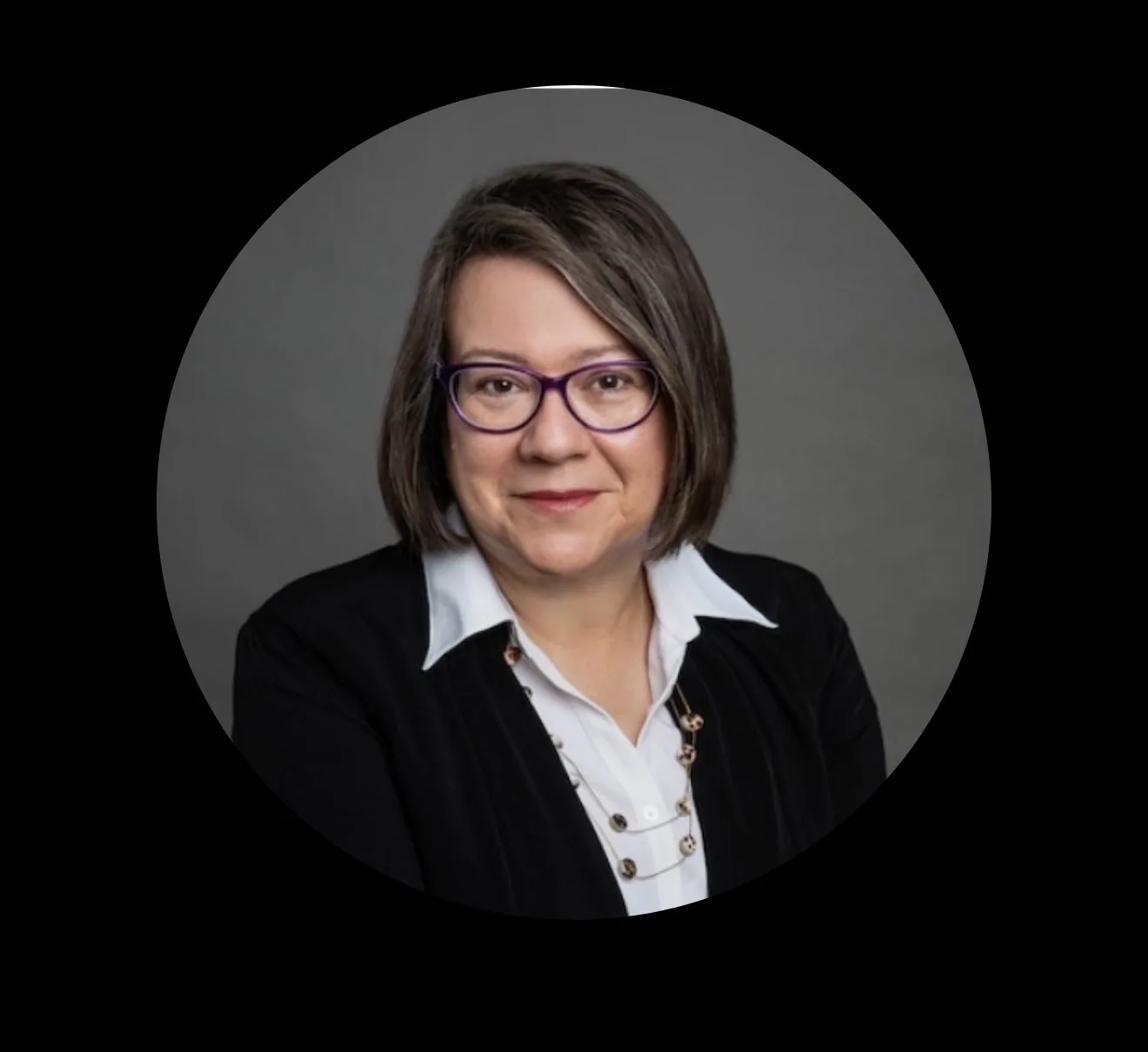
Founder, fundraiser, and rare disease community operator. 23 years of work since losing her father John Lukasik to pulmonary fibrosis in 2002. Employee number one at the Pulmonary Fibrosis Foundation. Fourteen years at PFF. The bridge between patients and specialists since 2003. Built the QIS qualitative instrument. Full arc above.
Thirty-one years at the intersection of clinical therapy, occupational health, wearable technology, AI motion capture, and law. Licensed occupational therapist. Master of Science in Law from Northwestern Pritzker, focused on STEM business law and entrepreneurship. Founder of the WorkWell On-Site Services program, which she built from a single pilot into a 21-location national program over twelve years. Current VP Global Enterprise Solutions at SimpleTherapy. Sr. Advisor for Human Performance at 3MotionAI. Founder of Ergo Health & Safety Innovations. She advises QIS because she has spent three decades auditing whether clinical, technological, and regulatory claims hold up in practice.
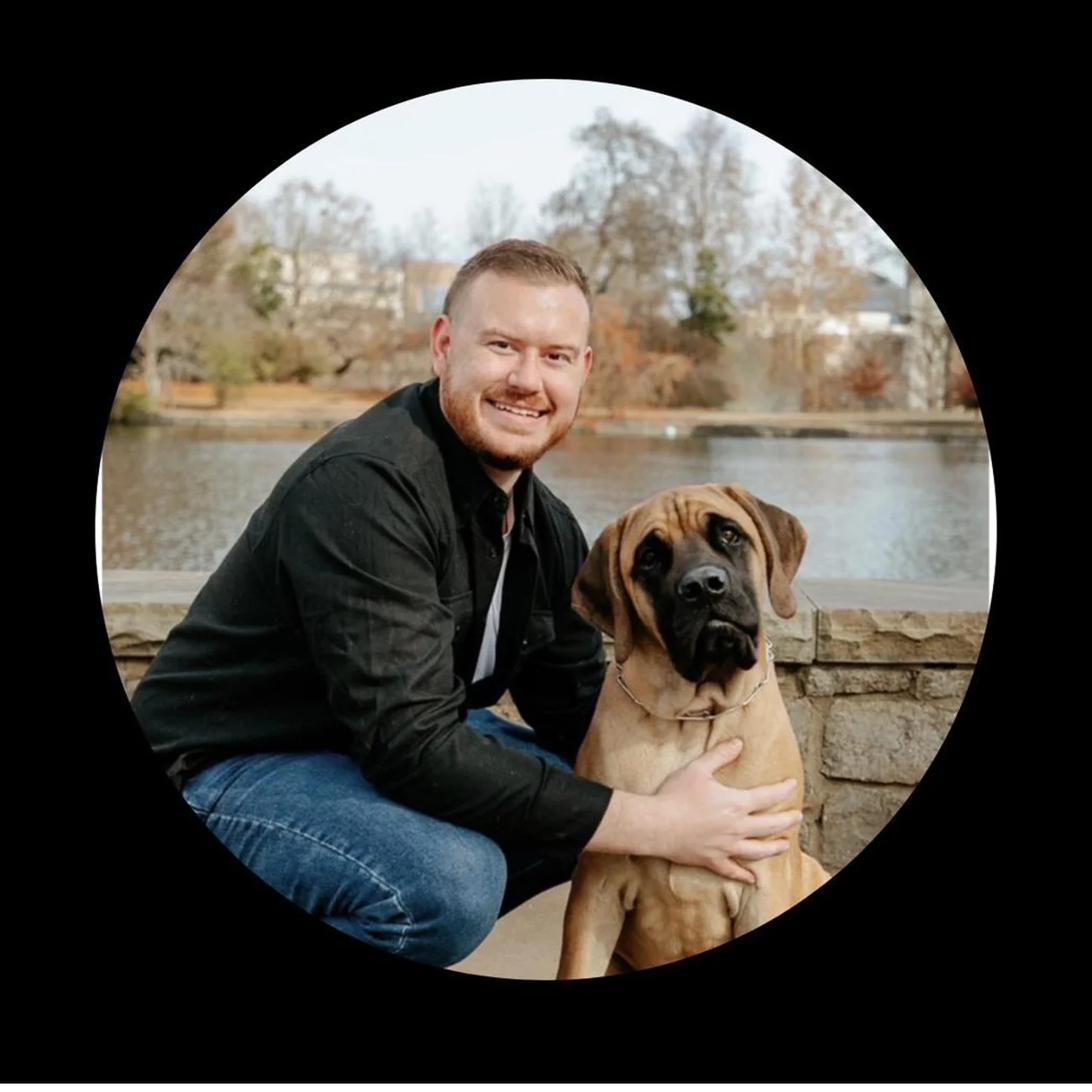
Subject matter expert specializing in enterprise analytics, reporting architecture, and data modeling that supports operational and engineering decision making. At QIS, he contributes to shaping how structured data and emerging AI tools work together to surface meaningful context and improve insight. His focus is on helping translate complex datasets into practical intelligence that organizations can trust and act on.
“What makes QIS stand out to me is how we can make the connection between structured data and human input. It creates a framework where AI can support understanding, rather than just automation. This is where real insights come to light.”
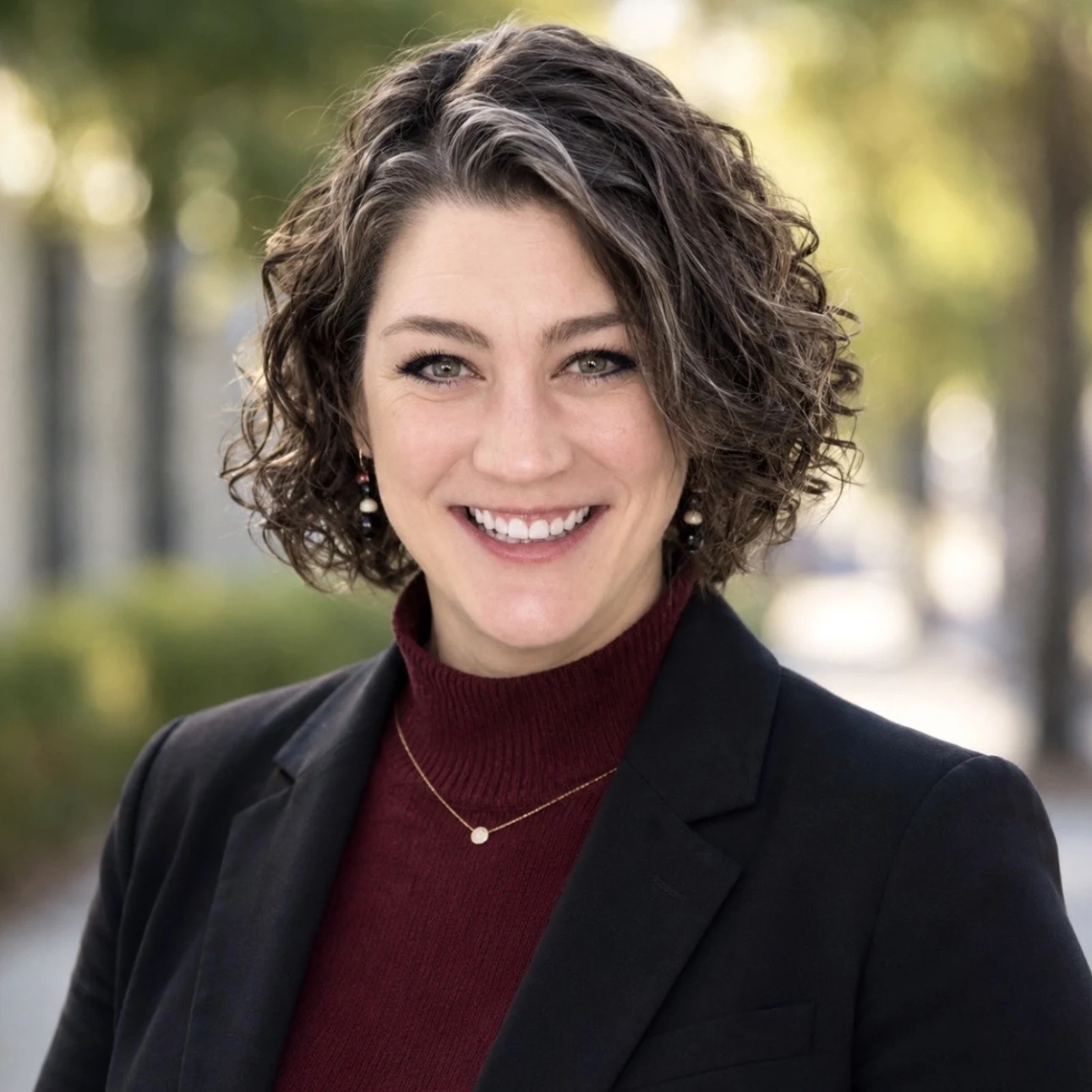
AI engineer specializing in automation, intelligent systems, and end-to-end product development. At QIS, he is focused on translating the vision into a real platform by building the technical foundation for memory-driven analysis, qualitative intelligence, and AI-powered insight.
“QIS stands out because it does not just generate output. It helps surface the human context behind the data, which is where real insight begins.”
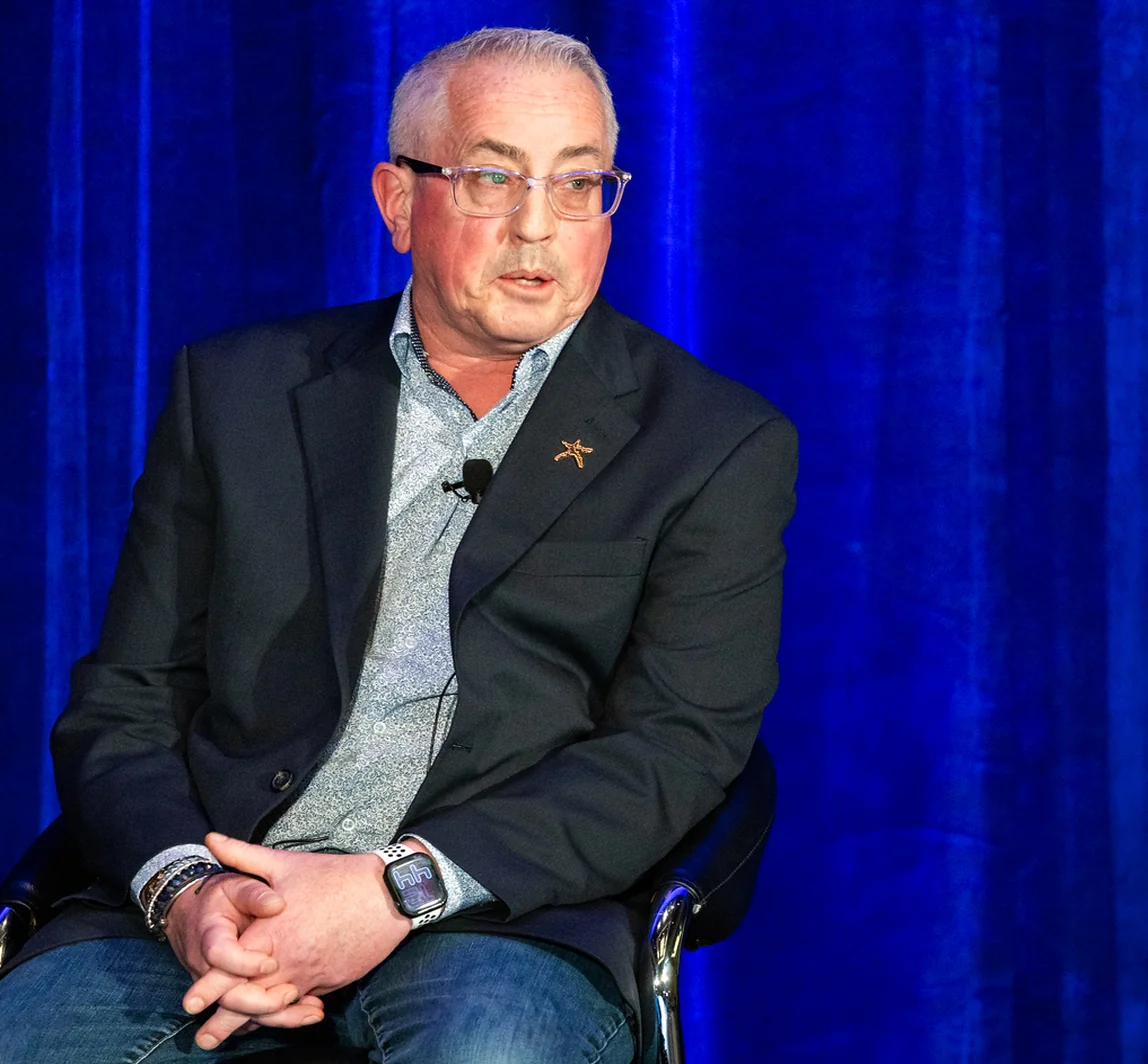
Tom carries the lived record QIS exists to serve. He watched his father struggle with pulmonary fibrosis for five years before losing him in 2010. His brother was diagnosed in 2021. Tom himself was diagnosed in December of that year and given two to five years to live. After six dry runs to the hospital, he received a single lung transplant in March 2023. He is one of the small percentage of PF patients who reach transplant, who survive the waitlist, who get to keep working on the puzzle. He chooses to spend that time as an active partner with Three Lakes 12-20, the public research foundation focused on advancing therapies for pulmonary fibrosis and interstitial lung disease. He advises QIS because he knows what is missing from the way his disease was first heard, and what would have changed if anyone had been listening for it.
“The integration of feelings and emotions in medical records can be incredibly beneficial. It can improve diagnostic accuracy, enhance patient experience through better clinician trust, and better treatment adherence. Emotional trends can also be used proactively by HCPs to address earlier, timely interventions, which is a great advantage.”
MemVerge provides the persistent memory infrastructure layer that enables QIS to maintain longitudinal context across patient sessions. The QIS memory abstraction interface is built to accommodate MemMachine as the enterprise memory backend for production clinical deployments.
Tom Tully · Patient Adviser · Three Lakes 12-20
I was 55 years old, married 31 years, and a father to three outstanding boys, ages 28, 25, and 12. I coached their soccer and lacrosse teams. I had a very successful career in the pharmaceutical industry. I was the lead singer in a rock and roll band. I had a very active, crazy, fun lifestyle. Life was good. And then I found out I have familial pulmonary fibrosis.
My father grew up in the Bronx and put himself through school. He went to school during the day and worked at a gas station at night. He had four boys, including me. He was fairly active in his later years but had noticed some challenges when it came to breathing. He was diagnosed with pulmonary fibrosis when he was 65 and died from the disease when he was 70. That was a little over 15 years ago. I remember watching my dad struggle to walk down a short driveway just to get his mail. Watching him rely on supplied oxygen was completely distressing for me to watch. I remember him telling me that it felt like he was drowning and could not breathe.
Then in 2019, I began experiencing shortness of breath. Walking, running, and any form of exercise had become more challenging. I was hoping that it was allergies and started to become very concerned. My wife and I started wondering if maybe I was having an issue with my heart, as I was suffering from hypertension. I went through cardiac stress tests, but my cardiac functioning was normal. In October 2021, my brother informed me that he had been diagnosed with pulmonary fibrosis. This obviously made me very nervous and concerned. After arranging appointments with a pulmonologist, I began being tested. In December of that year, I was also diagnosed with pulmonary fibrosis, and my wife and I were told I had 2 to 5 years to live. My good friend and doctor had delivered this incredibly devastating news.
Telling my family about my diagnosis was tough. My Mom and my three sons were especially devastated and completely distraught. After sharing my diagnosis with my family, I was struck by the fact that my three sons, my nieces, and my nephews could all be stricken by this horrible disease called idiopathic pulmonary fibrosis that has no known cause and no cure. This is my inspiration to help find answers, so others won't face the battles that I have faced and will face.
The good news of my story is I was considered for having a lung transplant in March of 2023. After 6 dry runs to the hospital, I finally received a single lung transplant. I was approved for a double lung transplant, but as fate would have it, there was a young donor who had a single lung that fit me. It was a lung that was in great condition with clean medical records. My transplant team and I decided to move ahead with the single lung. This thankfully has given me more time to spend with family, more time to spend with loved ones, more time to live.
So here's my next question: how many people here like puzzles? On rainy vacation days, I enjoy solving challenging puzzles with friends and family. We get the puzzle box, pour it out on the table, and then flip all the pieces so they are cardboard side down and color side up. We match like colors. We try to find themes and organize and group the different pieces. It's challenging and fun. At the end, when that puzzle is completed and solved, it's very rewarding.
Pulmonary fibrosis is a puzzle that hasn't been solved yet. So why am I here? Why am I speaking to all of you today? I would like all of your help in solving this puzzle.
I have discovered that there is no stronger ally in solving this puzzle than Three Lakes 12-20. Three Lakes 12-20 is a public research foundation focused on advancing therapies for pulmonary fibrosis and interstitial lung disease. Our mission is to accelerate the development of effective treatments and translational tools by supporting innovative science and bridging promising ideas with clinical validation. 100% of funds raised go towards funding research to find answers and ultimately a cure.
So here is what you can do to help us solve this puzzle: visit the Three Lakes website at threelakes1220.org and consider donating to Three Lakes 12-20. Help us to advance scientific research and support those who are newly diagnosed with this awful disease so they can live better. By supporting Three Lakes 12-20, we can start putting the pieces of this puzzle together. Please help me and Three Lakes solve this puzzle. Let's all work together to create a better future for all those who struggle with the disease.
Tom Tully
Patient Adviser, Qualividence · Partner, Three Lakes 12-20